
led light up mirror
Understanding Water Valve Pressure Key Insights and Best Practices Water valves play a critical role in managing the flow of water in various systems, including residential plumbing, irrigation, and industrial applications. One of the essential factors governing the efficiency and safety of these systems is water valve pressure. This article will explore the importance of understanding water valve pressure, common issues associated with it, and best practices for maintaining optimal pressure levels. The Importance of Water Valve Pressure Water valve pressure refers to the force exerted by the water as it flows through a valve. This pressure needs to be managed carefully to ensure that systems operate effectively. If the water pressure is too high, it can lead to leaks, burst pipes, and damaged appliances. Conversely, low pressure can result in insufficient flow rates, causing inadequate performance in watering systems or inefficient bathroom and kitchen fixtures. Maintaining appropriate pressure in water valves is crucial for several reasons. First, it impacts the overall performance and longevity of plumbing systems. High-pressure situations can cause wear and tear on valves and other components, leading to frequent repairs and replacements. Second, proper water pressure ensures efficient operation in irrigation systems, thus promoting healthy plant growth. Finally, the integrity of the plumbing can have significant implications for water safety and quality. Common Issues Related to Water Valve Pressure 1. High Pressure Excessive water pressure can lead to valve failure and damage to connected fixtures. It often results from malfunctioning pressure regulators or issues in the municipal supply. 2. Low Pressure Causes of low water pressure can include clogged pipes, insufficient pipe diameter for the required flow rate, or faulty valves. Diagnosis often requires comprehensive assessments to identify the root causes. 3. Pressure Fluctuations Intermittent pressure changes can disrupt the flow and create uncomfortable situations, particularly in residential settings where water is needed continuously. Best Practices for Managing Water Valve Pressure water valve pressure To maintain optimal water valve pressure and prevent issues from arising, consider the following best practices 1. Regular Inspections Conduct regular checks on your water valves and associated components. Look for signs of wear, corrosion, or buildup that may indicate pressure issues. 2. Pressure Testing Utilize pressure gauges to monitor water pressure levels. Testing your system periodically helps identify issues early on and ensures that the water supply remains within a safe and functional range. 3. Utilize Pressure Regulators In high-pressure situations, installing a pressure regulator can help maintain consistent levels. Regulators automatically adjust the pressure entering your property and protect plumbing infrastructure. 4. Correct Sizing of Pipes and Valves Ensure that the diameter of pipes and the specifications of the valves are appropriate for the water flow you expect. This attention to detail will help prevent pressure-related issues from arising. 5. Professional Assistance When in doubt, consult a plumbing professional. They can provide expert advice and assistance in diagnosing and resolving complex pressure issues. 6. Educate Yourself Stay informed about the properties and specifications of your water system. Understanding the basic principles behind water valve pressure will empower you to identify potential problems and take proactive measures. Conclusion Water valve pressure is a critical aspect of plumbing systems that should not be overlooked. By understanding its importance, recognizing common issues, and adhering to best practices, individuals can ensure the longevity and efficiency of their water systems. Whether for residential or agricultural applications, maintaining proper water valve pressure guarantees a steady, reliable flow of water, ultimately contributing to the health and safety of users.
about
led light up mirror
Understanding the Nail Plate OEM Business In the world of beauty and personal care, nail products have gained immense popularity, with an increasing focus on quality, design, and convenience. However, one area that often remains under the radar is the phenomenon of Nail Plate OEM (Original Equipment Manufacturer). This business model plays a vital role in the production and distribution of nail plates, allowing companies to offer unique and high-quality products without having to invest heavily in manufacturing facilities. In this article, we will explore the intricacies of Nail Plate OEM, its benefits, and its impact on the beauty industry. What is Nail Plate OEM? Nail Plate OEM refers to the process where a company designs and develops products such as artificial nails, nail wraps, or nail stickers and outsources the manufacturing to another company that specializes in producing these items. The OEM partner handles the production process, ensuring that the products meet specific quality standards and branding requirements that the original company outlines. This arrangement allows the original company to focus on marketing and brand development rather than managing complex manufacturing processes. Companies can customize their products, from colors and patterns to shapes and sizes, while the OEM partner takes care of the production logistics, quality control, and regulatory compliance. Advantages of Nail Plate OEM 1. Cost Efficiency One of the primary advantages of the OEM model is cost reduction. By outsourcing production, brands can save on labor, materials, and overhead costs associated with operating a manufacturing facility. This financial freedom enables companies to invest more in research, development, and marketing strategies. 2. Faster Time-to-Market In the highly competitive beauty industry, launching products quickly is crucial. By partnering with an OEM, companies can significantly reduce the time it takes from concept to market. The OEM can begin manufacturing as soon as designs are finalized, enabling brands to respond to trends and consumer demands promptly. 3. Quality Control Established OEM manufacturers typically have extensive experience and specialized knowledge in producing nail products. This expertise allows for better quality control and consistency in production. Brands can rest assured that their products will meet high-quality standards, enhancing their reputation in the marketplace. nail plate oem 4. Customization Nail Plate OEM allows for high levels of customization. Companies can offer a plethora of designs, sizes, and finishes without the need for heavy investment in machinery or resources. This flexibility is invaluable in catering to diverse consumer preferences and trends. 5. Focus on Core Competencies By outsourcing manufacturing, companies are free to concentrate on their core competencies, such as branding, marketing, and customer engagement. This strategic focus can lead to enhanced innovation and a stronger market presence. The Challenges of Nail Plate OEM While the Nail Plate OEM model offers numerous advantages, it is not without challenges. Communication between the brand and the OEM is crucial to ensure that the final product aligns with the brand’s vision. Misunderstandings or lack of clarity can lead to production delays or subpar products. Additionally, companies must carefully select their OEM partners. The wrong choice could compromise quality and affect the brand’s reputation. Brands need to conduct thorough due diligence, assessing the OEM’s capabilities, past performance, and alignment with their values and standards. Conclusion Nail Plate OEM is a powerful strategy in the beauty industry that enables companies to deliver innovative and high-quality nail products to consumers. This model offers significant advantages, including cost efficiency, faster time-to-market, quality control, and design flexibility. However, it also requires careful consideration and management to mitigate potential challenges. As beauty trends continue to evolve, the Nail Plate OEM industry is likely to expand further, offering diverse options for consumers and presenting exciting opportunities for brands looking to make their mark in the competitive cosmetics market. Companies that understand and leverage the benefits of Nail Plate OEM will be well-positioned to thrive in this dynamic industry.
-

High quality industrial productsagement

High quality industrial products
View Details -

Meet the diverse needs of customers

Meet the diverse needs of customers
View Details -

Strict quality control

Strict quality control
View Details -

Top raw materials

Top raw materials
View Details -

Trusted supplier

Trusted supplier
View Details
Our application

news and information
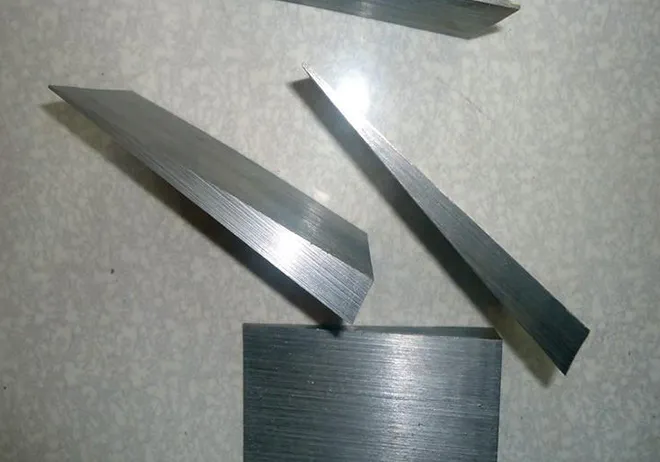
Using Thread Ring Gauges for Accurate Measurement and Quality Control in Manufacturing Processes
The Importance of Thread Ring Gauges in Quality Assurance In the world of manufacturing and engineer

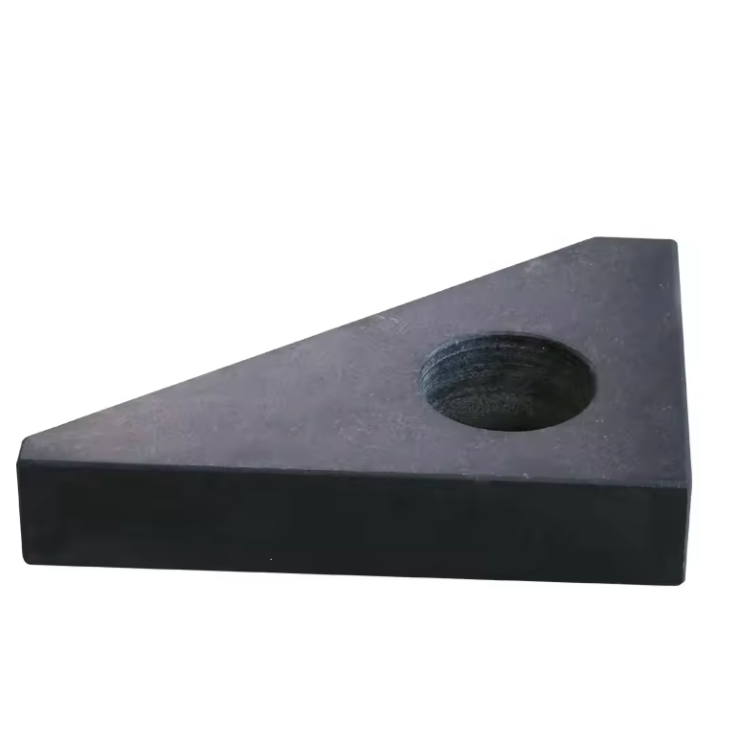
v block
Understanding the V Block in Modern Technology In the fast-paced world of technology, the term V b
waterleidingklep
Waterlijnklep Een Cruciaal Element voor Efficiënt Beheer van Waterlopen Een waterlijnklep, of waterl
 English